
If you’ve been researching home construction options, you’ve probably come across the term “turnkey construction” more than once, usually paired with promises of a stress-free build. But what does it actually mean in practice, and is it the right choice for your project?
Here’s a clear breakdown of how turnkey construction works and what to expect if you go this route.
What Turnkey Construction Actually Means
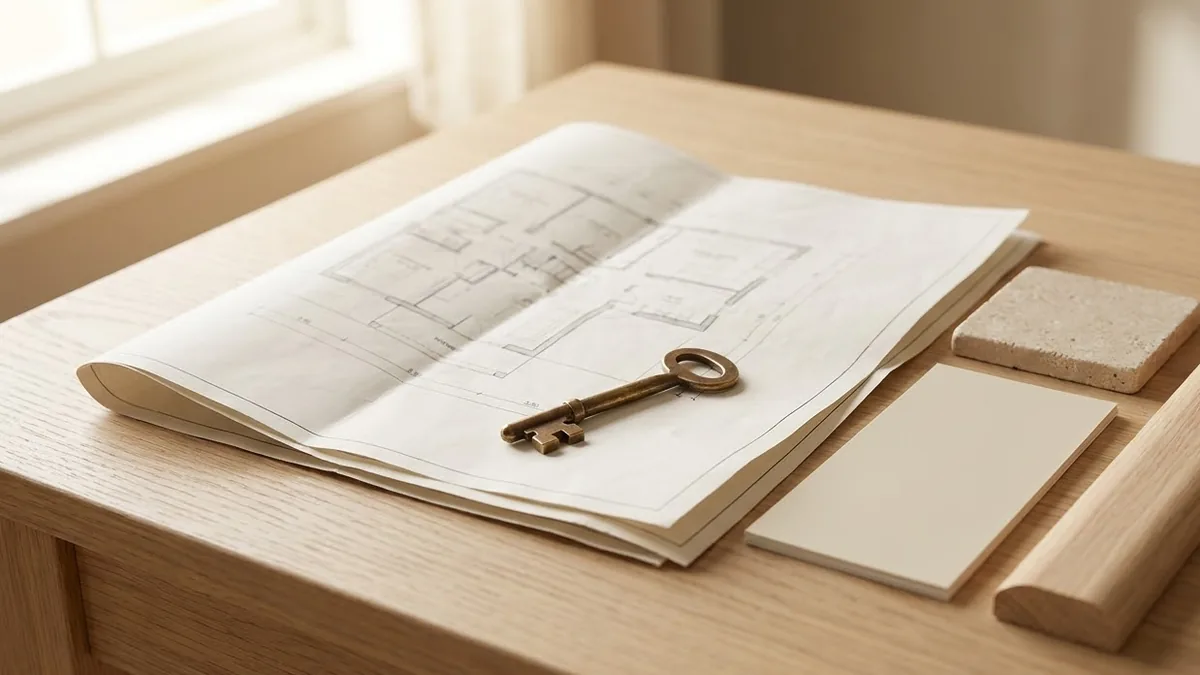
The term comes from the idea that once your house is built, all you need to do is “turn the key” and move in — everything else is handled for you.
A Single Point of Responsibility
In a turnkey model, one company manages the entire project — design, approvals, material procurement, construction, and finishing — instead of you coordinating separately with architects, contractors, and vendors. You sign one contract and deal with one point of contact throughout.
Fixed Scope and Fixed Price
Turnkey projects typically come with a defined scope of work and an agreed price upfront, covering everything from the foundation to final finishes like flooring, painting, and fittings. This is different from a labor-only or material-supply contract, where you’d be paying and managing costs separately at each stage.
How the Turnkey Process Actually Works
Understanding the typical workflow helps set realistic expectations before you sign anything.
Initial Consultation and Design
The process usually starts with a consultation to understand your requirements, budget, and plot details, followed by architectural design and structural planning. Some companies include 3D visualization at this stage so you can review the layout before construction begins.
Approvals and Documentation
The turnkey company typically handles BBMP/BDA plan approvals and other regulatory documentation on your behalf, saving you from navigating government processes yourself.
Construction and Material Procurement
Once approvals are in place, construction begins, with the company sourcing and managing all materials according to the agreed specifications. This includes structural work, electrical, plumbing, and finishing — all under one project timeline.
Handover
At the end of the project, you receive a fully finished home, ready to move into, rather than a bare structure requiring further coordination for interiors, fittings, or finishing work.
Turnkey vs Traditional Construction
The core difference comes down to how much coordination falls on you.
Traditional Construction Requires More Involvement
In a traditional setup, you’d typically hire an architect, a separate contractor, and manage material purchases and vendor coordination yourself — offering more control, but requiring significantly more time and hands-on management.
Turnkey Trades Some Control for Convenience
With turnkey construction, you have less day-to-day involvement in individual decisions, but significantly less coordination burden and generally more cost predictability, since the price is agreed upfront.
One Point of Accountability
Coordinating multiple vendors is where most home-building stress actually comes from — not the construction itself.
A Single Team Manages Everything
With turnkey construction, one company handles design, approvals, procurement, and execution, so there’s no finger-pointing between contractors when something goes wrong. You have one contract and one team accountable for the outcome.
Fewer Communication Gaps
When architects, contractors, and vendors work independently, details get lost between handoffs. A single accountable team eliminates most of these communication breakdowns, since everyone is working from the same plan.
Cost Predictability from Day One
Budget overruns are one of the most common frustrations in traditional construction, and turnkey models are specifically designed to prevent this.
Fixed Pricing, Fewer Surprises
Turnkey contracts typically define scope and price upfront, covering structure, finishing, and fittings in one agreement. This removes much of the guesswork that comes with managing separate material and labor contracts.
Easier Budget Planning
Knowing your total cost in advance makes it far easier to plan financing, timelines, and contingency funds — something that’s much harder to do when costs are split across multiple independent vendors.
Faster, More Reliable Timelines
Delays are common in traditional construction simply because so many moving parts depend on each other.
Streamlined Project Management
A turnkey company manages procurement and labor scheduling as one coordinated process, which typically results in fewer delays caused by material shortages or vendor scheduling conflicts.
Realistic Planning for Local Conditions
Established turnkey companies build in buffers for factors like Bangalore’s monsoon season and material availability, rather than offering unrealistic timelines that inevitably slip.
Consistent Quality Control
Quality often suffers in traditional construction when no single party is responsible for overseeing every stage.
Structured Inspections at Every Stage
Reputable turnkey companies have dedicated site engineers who inspect work at defined stages — foundation, plinth, roof casting — rather than leaving quality checks inconsistent or informal.
Ideal for Busy Homeowners and First-Time Builders
Not everyone has the time, expertise, or local presence to manage a construction project hands-on.
Less Time, Less Stress
If you’re working a full-time job, building for the first time, or living outside Bangalore, turnkey construction significantly reduces the day-to-day involvement required, without sacrificing oversight of your project.
Especially Useful for NRIs and Remote Owners
For homeowners who can’t be physically present to supervise construction regularly, a turnkey model offers far more built-in accountability than trying to coordinate multiple independent contractors from a distance.
Better Long-Term Value
The upfront convenience of turnkey construction often translates into stronger value well after handover.
Fewer Post-Handover Issues
Because one team is responsible for the entire build, there’s typically better consistency between structural work and finishing — reducing the kind of mismatched quality issues that arise when different vendors handle different stages independently.
Who Turnkey Construction Is Best Suited For
This model isn’t necessarily right for everyone, but it fits certain situations particularly well.
Ideal for Busy Homeowners
If you don’t have the time to manage multiple vendors, source materials, or supervise daily site work, turnkey construction removes most of that burden.
Good for First-Time Builders
If you’re building a home for the first time and aren’t familiar with construction processes, having a single accountable company guiding the entire project reduces the learning curve significantly.
Useful for NRIs and Remote Owners
For homeowners who can’t be physically present to supervise construction regularly, turnkey construction offers more built-in accountability than managing multiple independent contractors from a distance.
Conclusion
Turnkey construction offers a simpler, more predictable path to building a home — one contract, one team, and a defined budget from start to finish. It trades some hands-on control for significantly less coordination and stress, which makes it a strong fit for busy or first-time homeowners. If you’re considering this route, working with an experienced house construction company in Bangalore that specializes in turnkey projects can help you get a clear, transparent quote before committing to anything.