
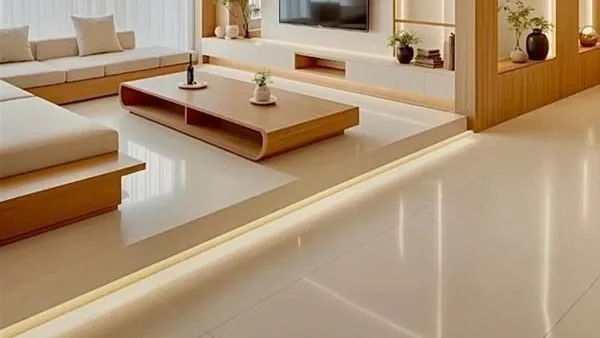
Scroll through enough design inspiration and everything starts to look appealing — minimalist one day, bohemian the next, industrial loft the day after that. The problem isn’t a lack of options; it’s picking a style that actually fits how you live, not just what looks good in a photo.
Here’s a practical way to narrow it down, so your home ends up feeling like yours instead of a copy of someone else’s Pinterest board.
Start With How You Actually Live, Not How You Want to Look
Before browsing styles, get honest about your daily habits, this matters more than aesthetics.
Think About Your Routine, Not Just Your Taste
If you have young kids or pets, a stark all-white minimalist home will fight you every day. If you love hosting, an open, flexible layout matters more than a rigidly styled one. Your lifestyle should shape your style choices, not the other way around.
Consider How Much Maintenance You’re Willing to Do
Some styles are naturally higher-maintenance — glossy surfaces show every smudge, light fabrics stain easily, and open shelving needs constant tidying. Be realistic about how much upkeep you actually want to commit to.
Identify Patterns in What You’re Already Drawn To
You likely already have a style preference; you just haven’t named it yet.
Look at What You Save and Pin
Go through the last 20–30 images you’ve saved or liked across Pinterest, Instagram, or design apps. Patterns usually emerge quickly — do you gravitate toward warm wood tones or cool greys? Clean lines or ornate detail? Busy patterns or solid colors?
Notice What You’re Naturally Drawn to While Shopping
Pay attention to what catches your eye in furniture stores or décor shops, even if you’re not buying. Your instinctive reactions are often more honest than a deliberate mood board.
Understand the Core Style Categories
Most design styles fall into a few broad families — understanding these makes it easier to mix and match without ending up mismatched.
Minimalist Design
Minimalism remains one of the most enduring styles, and it’s easy to see why — it photographs well, requires less upkeep, and works in almost any space.
Clean Lines and Functional Furniture
Minimalist homes prioritize simplicity: neutral color palettes, uncluttered surfaces, and furniture chosen for function as much as form. Every piece earns its place rather than existing purely for decoration.
Best Suited For
Smaller homes and apartments benefit most from minimalism, since it visually opens up limited square footage. It also suits people who prefer low-maintenance spaces over frequently changing décor.
Scandinavian Design
Often grouped with minimalism, Scandinavian design has its own identity — warmer, cozier, and more textured.
Light Woods and Soft Neutrals
Think pale wood floors, white or soft grey walls, and natural materials like wool and linen. The goal is a bright, airy space that still feels warm rather than sterile.
Why It Works in Most Homes
Scandinavian design’s neutral base makes it easy to layer in personal touches over time — a plant here, a textured throw there — without disrupting the overall look.
Industrial Design
Popular in urban apartments and converted spaces, industrial design leans into raw, unfinished materials rather than hiding them.
Exposed Materials and Utilitarian Details
Exposed brick, concrete floors, black metal fixtures, and visible ductwork are signature elements. Furniture tends to be sturdy and simple, often in leather or reclaimed wood.
Where It Fits Best
This style suits open-plan apartments and homes with higher ceilings, where exposed materials have room to breathe rather than feeling heavy or cramped.
Japandi Design
A blend of Japanese and Scandinavian principles, Japandi has become one of the most requested styles for modern homes over the past few years — and it’s easy to see why it’s stuck around.
Function Meets Quiet Aesthetics
Japandi combines Japanese minimalism and craftsmanship with Scandinavian warmth and comfort. The result is understated, functional spaces built around natural materials, muted tones, and a strong sense of calm.
Ideal For
Homeowners who want a minimalist look without it feeling cold — Japandi adds enough warmth and texture to keep spaces feeling inviting rather than clinical.
Bohemian Design
For homeowners who want personality over restraint, bohemian design offers the most room for individual expression.
Layered Textures and Global Influences
Boho interiors mix patterns, textures, and colors freely — think woven textiles, rattan furniture, and collected pieces from different cultures and travels. Nothing needs to match perfectly; the layering is the point.
Best For
This style works well for people who enjoy collecting décor gradually rather than furnishing a home all at once. It also tends to hide imperfections in older homes better than more rigid styles.
Contemporary Design
Often confused with “modern,” contemporary design refers to whatever is currently in style — meaning it evolves over time rather than staying fixed to one era.
Fluid and Ever-Changing
Right now, contemporary design tends to favor curved furniture silhouettes, organic shapes, and a mix of textures with a neutral base and occasional bold accent colors.
Why Homeowners Choose It
It offers flexibility — since contemporary design isn’t tied to strict rules, it’s easier to blend with existing furniture or evolve gradually as trends shift.
Factor In Your Home’s Natural Constraints
Not every style suits every space — working with your home’s structure saves both money and frustration.
Consider Natural Light and Room Size
Darker, moodier styles work beautifully in well-lit rooms but can make small, low-light spaces feel cramped. If natural light is limited, lean toward lighter palettes regardless of your preferred style.
Respect Your Home’s Existing Architecture
Flooring, ceiling height, and window style all influence which design direction will feel cohesive rather than forced. A style that fights your home’s existing structure usually ends up feeling like a renovation half-finished.
You Don’t Have to Pick Just One Style
Most well-designed homes aren’t purely one style — they borrow elements from two or three that work well together.
Choose a Primary Style and Blend In Accents
Pick one style as your foundation — say, minimalist — and layer in accents from another, like warm bohemian textures or a few traditional statement pieces. This keeps a home feeling personal rather than like a showroom display.
Let the Style Evolve Room by Room
Your living room doesn’t need to match your bedroom exactly. A slightly more relaxed, eclectic bedroom can coexist with a cleaner, more minimal living space, as long as there’s a common thread — like a shared color palette or material — tying the home together.
Conclusion
The right interior design style isn’t the one that’s trending — it’s the one that fits how you actually live, maintains itself the way you’re willing to maintain it, and feels genuinely like you a year from now, not just on move-in day. Start by noticing your own patterns before chasing someone else’s aesthetic, and you’ll end up with a home that feels considered rather than copied.
If you’re unsure where to start, working with an experienced interior company in Bangalore can help you translate your instincts into an actual plan — one that accounts for your home’s layout, lighting, and budget from day one.