
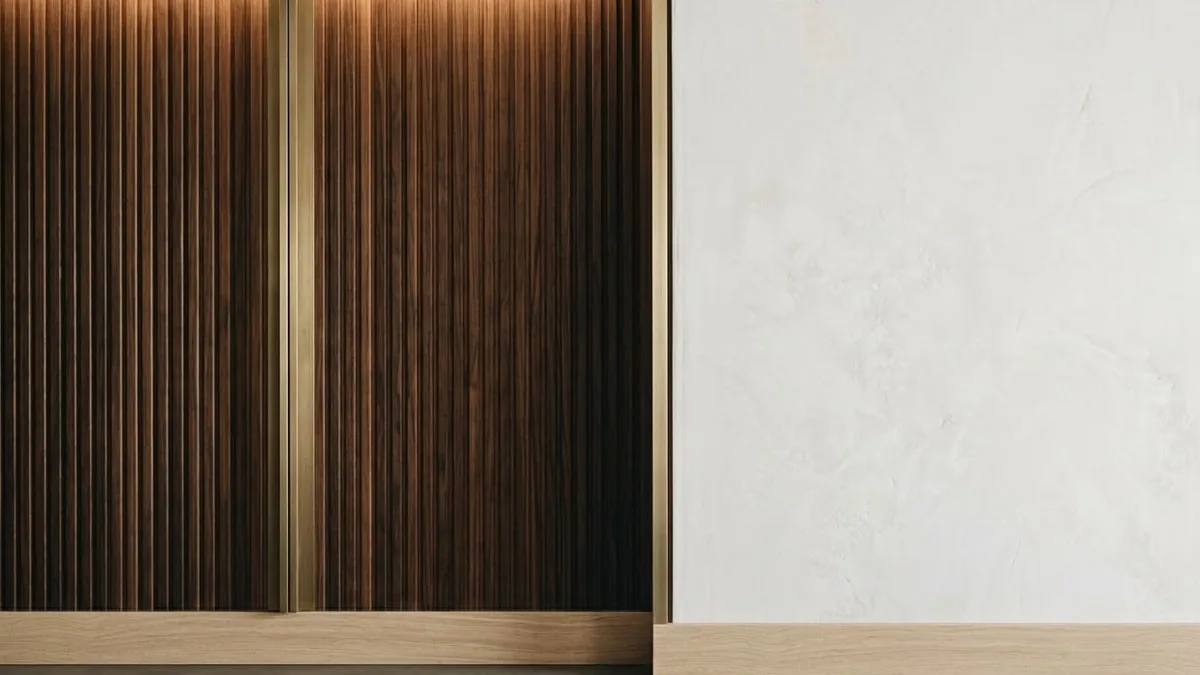
At first glance, luxury and minimalist design seem like opposites — one is about abundance, the other about restraint. But spend time in well-designed homes of both styles and you’ll notice something interesting: the best ones actually share a lot of the same principles, just expressed differently. This is especially true across home interior design in Bangalore, where both styles have found strong followings depending on the homeowner’s lifestyle and budget.
If you’re trying to decide which direction fits your home, here’s a real breakdown of what separates the two — and where they actually overlap.
What Defines Luxury Interior Design
Luxury design isn’t just about spending more — it’s about intentional, high-quality choices that create a sense of richness and comfort.
Premium Materials Take Center Stage
Marble, natural stone, solid wood, and high-grade metals are staples of luxury interiors. The emphasis is on materials that age well and feel substantial to the touch, not just look expensive in photos.
Layered, Statement-Driven Spaces
Luxury homes often build around a few statement pieces — a striking chandelier, a sculptural staircase, an oversized art piece — with everything else designed to support and frame that focal point rather than compete with it.
Rich Colors and Deeper Tones
While not exclusively dark, luxury interiors tend to favor deeper, more saturated colors — emerald greens, deep navy, warm burgundy — paired with metallic accents like brass or gold for contrast.
What Defines Minimalist Interior Design
Minimalism strips a space down to its essentials, but done well, it’s far from empty or plain.
Function Guides Every Decision
In minimalist homes, every object earns its place. Furniture is chosen for both form and function, and anything purely decorative has to justify itself — clutter has nowhere to hide.
Neutral Palettes With Intentional Accents
Minimalist spaces typically use a restrained palette — whites, greys, soft beiges — with one or two carefully chosen accent colors or materials, rather than a wide mix of tones competing for attention.
Negative Space Is a Design Choice
Empty space isn’t wasted space in minimalist design — it’s used deliberately to let individual elements breathe and stand out, rather than filling every surface and corner.
Where the Two Styles Actually Overlap
Despite feeling like opposites, luxury and minimalist design share more common ground than most people expect.
Quality Over Quantity
Both styles prioritize fewer, better pieces over a large volume of furniture and décor. A luxury home might have fewer, more expensive items; a minimalist home has fewer, more purposeful ones — but the underlying principle is the same.
Intentional, Not Accidental, Design
Neither style tolerates random or unplanned choices. Every piece in both luxury and minimalist homes is selected deliberately, which is part of why both tend to feel calm and cohesive rather than cluttered.
Which Style Fits Your Home and Lifestyle
Choosing between the two — or blending them — comes down to a few practical factors.
Consider Your Maintenance Tolerance
Minimalism is generally lower-maintenance, since there’s simply less to clean and organize. Luxury interiors, especially with natural stone or intricate detailing, often require more upkeep to stay looking their best.
Think About Your Budget Allocation
Minimalism can work at almost any budget, since the focus is on restraint rather than spend. Luxury design typically requires a higher budget concentrated on fewer, premium elements rather than spread thin across many items.
Match the Style to How You Entertain
If you frequently host guests and want your home to make a strong impression, luxury design’s statement pieces tend to leave a lasting effect. If you prefer quiet, everyday functionality over show, minimalism tends to feel more sustainable long-term.
Conclusion
Luxury and minimalist design aren’t as opposed as they first appear — both are built on intention, quality, and restraint, just expressed through different choices. The right approach for your home depends less on which style is trending and more on how you actually want to live in the space day to day.
If you’re planning a renovation and want help striking the right balance between luxury and minimalism, working with an experienced interior company in Bangalore can help you translate these principles into a plan that fits your budget and lifestyle.