
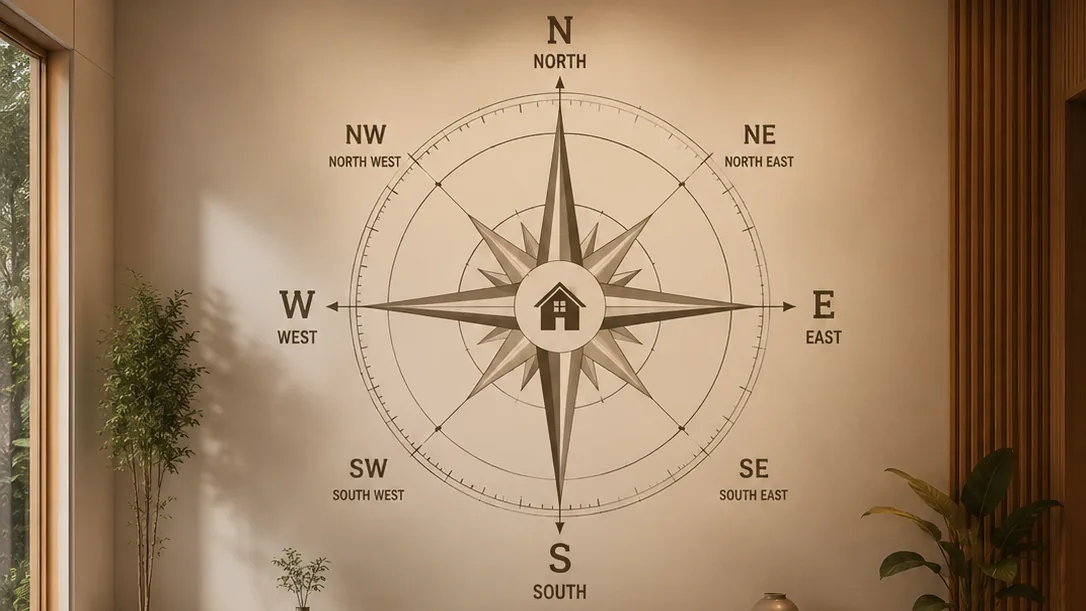
Building a new home is one of the biggest decisions you’ll make, both emotionally and financially. Beyond floor plans and finishes, many homeowners in India also want their space to feel balanced and positive — which is where Vastu Shastra comes in. This ancient architectural science focuses on aligning your home with natural energies to promote health, prosperity, and peace.
If you’re planning to build or renovate, here are the essential Vastu tips worth keeping in mind before construction begins.
Why Vastu Matters When Building a Home
For many families, Vastu isn’t superstition — it’s a design philosophy rooted in directions, elements, and energy flow. A well-planned Vastu-compliant home is believed to improve wellbeing, relationships, and financial stability for its residents. Whether you fully subscribe to it or simply appreciate sound design logic, many Vastu principles align with practical architecture, like maximizing natural light and ventilation.
Key Vastu Tips for Your New Home
1. Choose the Right Plot Direction
Plot orientation plays a major role in Vastu. North- and east-facing plots are traditionally considered auspicious since they allow more morning sunlight into the home, associated with positive energy.
2. Position the Main Entrance Correctly
The main door is the entry point for energy, so placement matters. Entrances facing north, east, or northeast are ideal. Avoid placing the main door directly opposite a staircase or bathroom.
3. Kitchen in the Southeast Corner
The kitchen is linked to the fire element, so it’s best placed in the southeast direction (or east, as a second choice). The cook should ideally face east while preparing meals.
4. Master Bedroom in the Southwest
The southwest zone is associated with stability and strength, making it ideal for the master bedroom — believed to support restful sleep and stronger family bonds.
5. Keep the Center of the Home Open
Known as the “Brahmasthan,” the central area should remain open, clutter-free, and well lit. Avoid heavy furniture, staircases, or pillars in this zone.
6. Water Elements in the Northeast
Overhead tanks, borewells, or water storage should be positioned in the northeast, as water here is believed to bring prosperity and good health.
7. Avoid Toilets in Inauspicious Zones
Bathrooms should never be placed in the northeast or center of the home. The southwest or west zones are more suitable, per Vastu guidelines.
8. Balance Natural Light and Ventilation
Vastu strongly emphasizes sunlight and airflow. Larger windows on the east and north sides bring in positive morning energy while keeping interiors bright and airy.
Bringing Vastu and Modern Construction Together
While Vastu principles offer valuable guidance, successful execution depends on working with experienced professionals who understand both traditional layouts and modern engineering needs. Partnering with a trusted home construction company makes a real difference — a knowledgeable builder can blend Vastu-compliant design with contemporary architecture, structural safety, and efficient space planning, so your home feels balanced without compromising on functionality or aesthetics.
Still unsure how these principles translate into real homes? Check out our completed Vastu-compliant homes to see how thoughtful planning, correct room placements, and modern design have come together in projects delivered across Bangalore.
Frequently Asked Questions
Is it necessary to follow Vastu for a new home?
It’s a personal choice, not a requirement. Many homeowners incorporate it for peace of mind, and several principles — like better ventilation and light — also make practical sense.
What is the most important Vastu rule for homes?
There’s no single most important rule, but main entrance placement is often considered the most influential, as it’s believed to control energy flow into the home.
Can Vastu tips be applied to an already-built home?
Yes. Corrections like rearranging furniture, changing room usage, or adding mirrors and plants in specific zones can be made even after construction.
Which direction is best for building a house as per Vastu?
North- and east-facing plots are generally considered most auspicious for better morning sunlight.
Does following Vastu increase construction costs?
Not necessarily — most guidelines involve placement and orientation, not expensive materials, so they can usually fit within your existing budget if planned early.
Can a modern home design still follow Vastu principles?
Absolutely. A skilled builder like Ciara Homes can blend contemporary styles with Vastu-compliant layouts.
What if my plot doesn’t fully align with Vastu norms?
Minor deviations are common and can often be balanced with simple remedies like color choices, mirror placements, or interior adjustments — without structural changes.
Conclusion
Vastu Shastra offers time-tested wisdom for a harmonious, welcoming home. From entrance placement to room positioning, small design choices make a meaningful difference. Consult a reputed home construction company in Bangalore to guide you through both Vastu principles and quality construction — ensuring your home is beautiful and balanced.
Ready to start planning? Get a free consultation with our team of architects and Vastu experts, and take the first step toward building a home that’s as functional as it is fortunate.