
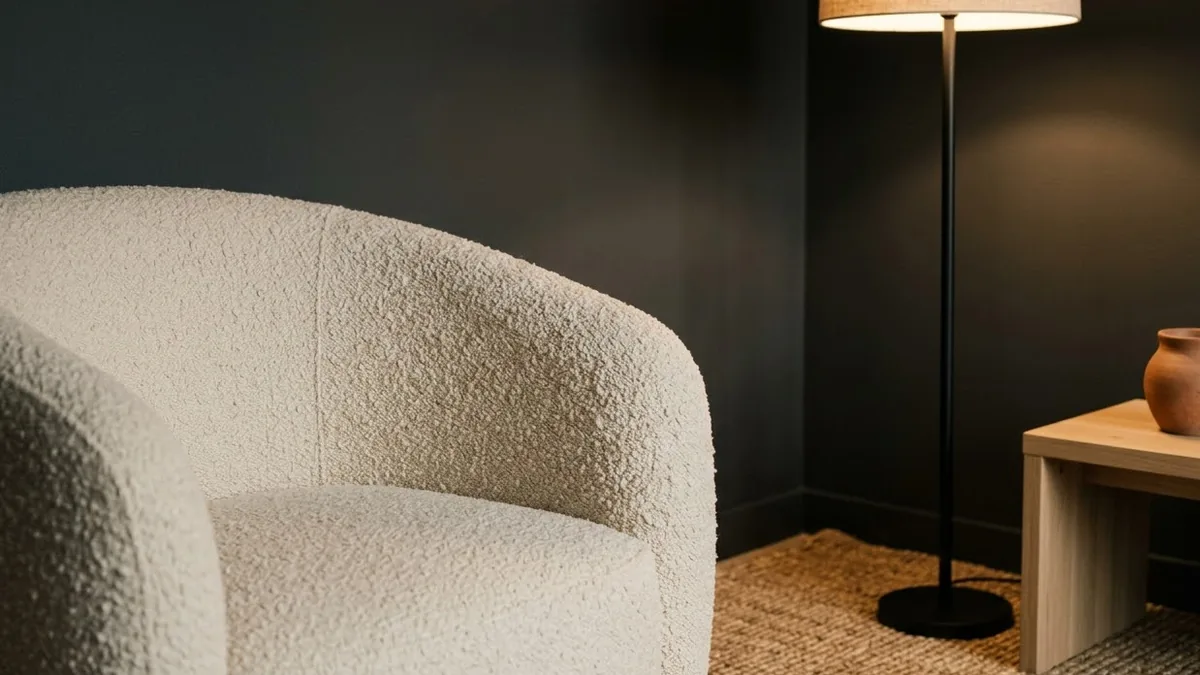
A living room doesn’t need a luxury budget to feel elevated — it needs a few deliberate choices made consistently. This is a pattern seen across well-designed interiors in Bangalore, where mid-range homes often look far more polished than their budget suggests. Most “expensive-looking” rooms come down to proportion, lighting, and restraint, not the price tag on any single item.
Here’s how to get that effect without overspending.
Anchor the Room with One Strong Piece
Every well-designed living room has a focal point that draws the eye before anything else.
Invest in a Statement Sofa or Coffee Table
Rather than spreading your budget evenly across everything, put more into one anchor piece — a well-proportioned sofa or a striking coffee table — and keep the rest simpler. One quality piece does more visual work than five average ones.
Let Everything Else Support It
Once you have your anchor piece, choose supporting furniture and décor that complement rather than compete with it. This creates a sense of intention instead of a room that feels randomly assembled.
Get Proportions Right
Mismatched scale is one of the fastest ways to make a room feel “off,” regardless of how much was spent on it.
Choose Furniture That Fits the Room’s Scale
An undersized rug or a coffee table that’s too small for the sofa makes a room feel unfinished. As a rule of thumb, your rug should be large enough for at least the front legs of your seating to sit on it.
Leave Consistent Breathing Room
Avoid pushing every piece against the walls. A little negative space around furniture makes a room feel more considered and less like it’s maximizing storage.
Layer Your Lighting
Lighting has an outsized effect on how “expensive” a room feels relative to its actual cost.
Combine Ambient, Task, and Accent Lighting
A single overhead light flattens a room. Add a floor lamp, a table lamp, and if possible, subtle accent lighting like a wall sconce or LED strip behind a shelf — the layering creates depth that ceiling lights alone can’t.
Stick to Warm White Bulbs
Warm white bulbs (2700K–3000K) instantly make a space feel cozier and more upscale than cool or daylight bulbs, at no extra cost.
Use Texture to Add Depth
A room that relies only on color tends to look flat, no matter how well-chosen the palette is.
Mix Materials, Not Just Colors
Combine textures like a woven rug, a linen or velvet cushion, a wooden side table, and a metal lamp base. This contrast is what gives mid-range rooms a richer, more layered feel.
Add One Textured Statement Element
A textured accent wall, a large woven wall hanging, or an interesting light fixture can do the visual heavy lifting that would otherwise require several smaller, more expensive purchases.
Keep the Color Palette Disciplined
Restraint reads as intentional; too many competing colors read as unplanned.
Stick to a Simple Base With One Accent
A neutral base — soft grey, warm white, or beige — paired with one confident accent color keeps the room cohesive. Save bolder colors for cushions, art, or a single chair rather than large furniture pieces.
Conclusion
A living room feels expensive when every choice looks deliberate — not when every item is expensive. Focus your budget on one strong anchor piece, get your proportions and lighting right, and layer in texture rather than more furniture. Done well, this approach consistently outperforms rooms with a much higher spend but less thought behind them.
If you want the numbers behind these choices, our guide to interior design costs in Bangalore breaks them down by room and by home size.
If you’d like expert help getting these choices right the first time, working with an experienced home interior design in Bangalore team can turn this framework into an actual layout suited to your space and budget.