
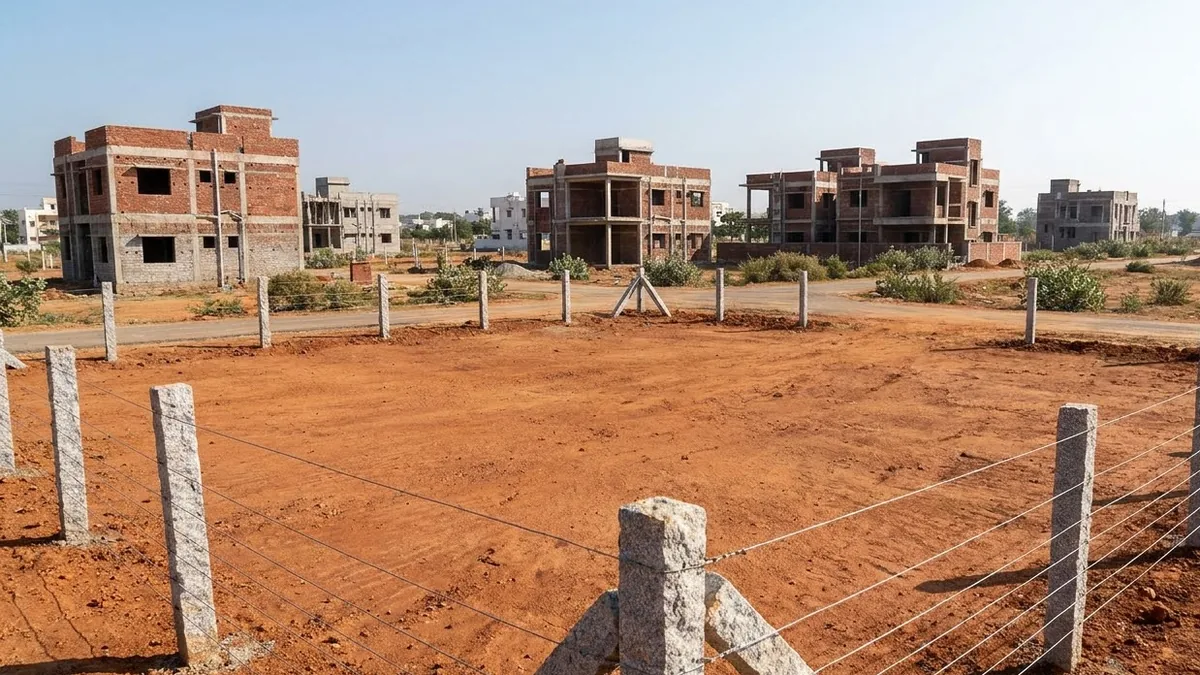
So you’ve finally bought that plot in Bangalore. Congratulations that’s a big milestone. But before you get excited about floor plans and paint colors, there’s a stretch of groundwork (literally) that most first-time plot owners skip, and later regret. Here’s what you actually need to sort out before the first brick goes down.
1. Verify Your Documents Again — Yes, Again
Even if your lawyer cleared everything during purchase, it pays to double-check before construction begins. Bangalore’s real estate history includes plenty of layouts with murky origins, so a second look never hurts.
Title Deed and Encumbrance Certificate
Make sure the title deed is in your name and the Encumbrance Certificate (EC) shows no pending loans, disputes, or liens on the property. This matters especially in areas that were once agricultural land and later converted for residential use.
Khata Certificate
A Khata certificate confirms your property is officially recorded with the BBMP (or BDA, depending on jurisdiction) for tax purposes. Without a proper Khata, getting a building plan sanctioned becomes a nightmare, and you may struggle to get utility connections later. For a full breakdown of how Khata fits into the larger approval process, see our guide on BBMP & BDA approval process for building a house in Bangalore.
2. Get the Land Surveyed and Fenced
Plot boundaries in Bangalore’s outskirts can be surprisingly fluid, especially in newer layouts where markers shift or disappear over time. Hire a licensed surveyor to physically mark your plot’s boundaries against the sale deed and layout plan. Once confirmed, fence the plot immediately. This protects you from encroachment and gives your architect accurate dimensions to design around, avoiding costly corrections mid-construction.
3. Check Soil Quality Before Finalizing Your Design
Bangalore’s soil varies a lot between areas, some zones sit on rocky terrain, others have black cotton soil that expands and contracts with moisture. A soil test tells your structural engineer what kind of foundation your house actually needs. Skipping this is one of the most common, and expensive, mistakes plot owners make, often leading to cracks or structural issues years down the line.
4. Sort Out Plan Approvals
BBMP or BDA Sanction
Before construction, your building plan needs approval from the relevant local authority — BBMP for city limits, BDA for Bangalore Development Authority layouts, or the local panchayat if you’re further out. This involves submitting architectural drawings that follow setback rules, floor area ratio (FAR), and height restrictions specific to your zone.
RERA Compliance (If Applicable)
If you’re building for resale or as part of a larger development, check whether RERA registration applies to your project before you proceed.
5. Arrange Utility Connections Early
Don’t wait until construction is halfway done to think about water, electricity, and sewage connections. Sorting these early prevents delays once work is underway.
Water and BWSSB Connection
Apply for a Bangalore Water Supply and Sewerage Board (BWSSB) connection, or confirm borewell feasibility if you’re outside the BWSSB network.
Electricity (BESCOM)
A temporary construction-phase electricity connection from BESCOM saves you from relying on generators throughout the build, which adds up in cost and hassle.
6. Hire the Right Team
Architect vs. Structural Engineer
An architect designs the layout and aesthetics; a structural engineer ensures the building can actually stand up safely, especially important given Bangalore’s varied soil conditions. You need both, not one or the other.
Licensed Contractor
Choose a contractor with verifiable past projects, not just a low quote. Ask for references and visit a site they’ve completed to check the quality of work firsthand.
7. Budget for the Unexpected
Set aside at least 10-15% of your total budget as a contingency fund. Material price fluctuations, minor design changes, and monsoon-related delays are almost guaranteed in Bangalore’s construction timeline. For a closer look at where budgets typically break, see our guide on how to avoid unexpected expenses during house construction.
Final Thoughts
Owning a plot is the easy part. Building on it correctly, legally, and without future headaches takes preparation most people underestimate. Handle these steps first, and your construction journey will be far smoother, and far less expensive, in the long run.
If you’d rather not manage every approval, survey and vendor yourself, see how we work at Ciara Homes, from the first site visit to handover, one in house team handles it all under a fixed-price contract. Get in touch for a free site visit and feasibility discussion on your plot.
Frequently Asked Questions
How long does it take to get a building plan approved in Bangalore?
Approval timelines vary by authority and plot location, but it typically takes anywhere from a few weeks to a couple of months, depending on document readiness and site inspections.
Is a Khata certificate mandatory before construction?
Yes. Without a valid Khata, you generally cannot get your building plan sanctioned or apply for utility connections like water and electricity.
Do I really need a soil test for a residential plot?
Yes. Given how much soil composition varies across Bangalore, a soil test helps your engineer design an appropriate foundation and avoid structural problems later.
What happens if I build without BBMP or BDA approval?
Unauthorized construction can lead to penalties, demolition notices, or difficulty selling the property later. It’s not worth the risk.
How much contingency budget should I keep aside?
Most experts recommend setting aside 10-15% of your total construction budget for unexpected costs like price hikes or design changes.