
Building a house is one of the biggest investments most people ever make. Yet many homeowners spend months picking tiles, paint colors, and floor plans while skipping a step that matters far more than any of it: soil testing. The ground beneath your home determines whether that home stands strong for generations or develops cracks within a few years. Before you pour a single foundation slab, understanding your soil isn’t optional, it’s essential.
What Is Soil Testing?
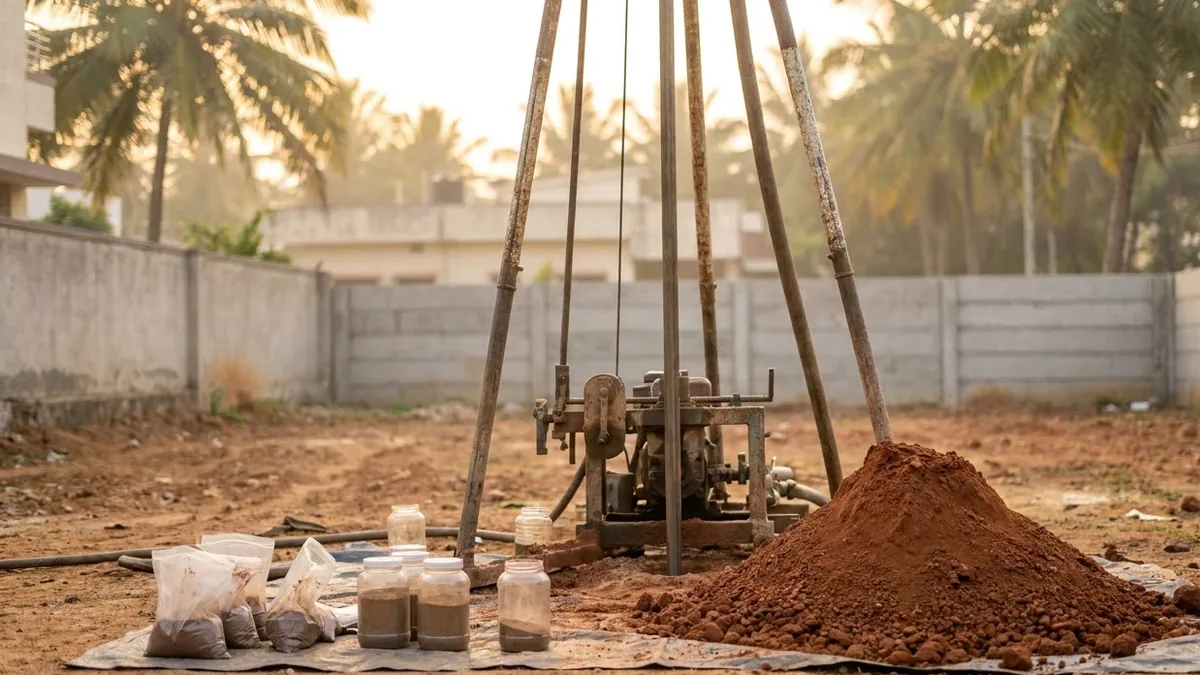
Soil testing is a scientific process used to study the physical and chemical properties of the soil at a construction site. Engineers collect samples from different depths and analyze factors like soil composition, moisture content, bearing capacity, and drainage behavior. The results tell architects and structural engineers exactly what kind of foundation a piece of land can safely support.
How the Process Works
A geotechnical engineer typically drills boreholes at various points across the plot. Samples are then sent to a lab, where they’re tested for strength, compressibility, and water absorption. The final report includes a Safe Bearing Capacity (SBC) value, which tells builders how much load the soil can handle without shifting or sinking.
At Ciara Homes, this kind of groundwork happens right within our Design & BOQ stage — where architecture and a detailed bill of quantities are finalized only after the site and soil have been properly assessed.
Why Soil Testing Matters So Much
1. It Determines the Right Foundation Type
Not all soil behaves the same way. Sandy soil drains quickly but may shift under pressure. Clay soil expands and contracts with moisture changes. Rocky soil offers strong support but can be expensive to excavate. Without knowing which type you’re dealing with, engineers can’t design a foundation suited to your land — they’d essentially be guessing.
2. It Prevents Structural Damage
Cracked walls, uneven floors, and tilting structures are often the result of poor foundation planning on unstable soil. Soil testing identifies weak spots, loose fill, or high water tables early, allowing engineers to reinforce the foundation or choose an alternative design before construction even begins.
3. It Saves Money in the Long Run
Skipping soil testing might save a small upfront fee, but the cost of fixing a sinking foundation or repairing structural cracks later can run into lakhs, sometimes even requiring a complete rebuild. A soil test costing a few thousand rupees is a small price compared to the financial and emotional toll of structural failure.
4. It Improves Safety During Natural Events
In regions prone to earthquakes, floods, or heavy monsoons, soil behaviour becomes even more critical. Testing reveals whether the ground is prone to liquefaction, erosion, or water logging, helping engineers design a home that can better withstand environmental stress.
5. It Helps with Accurate Budgeting
Soil reports influence decisions on excavation depth, foundation type, and reinforcement needs all of which directly affect construction costs. Knowing this information upfront helps homeowners plan a realistic budget instead of facing unexpected expenses mid project.
When Should You Get Soil Testing Done?
Soil testing should always happen before finalizing your building design ideally right after you purchase the land. This timing allows architects to design a structure that works with the soil, rather than forcing a generic plan onto land that may not support it.
Conclusion
A beautiful house built on unstable ground is a disaster waiting to happen. Soil testing isn’t just a technical formality; it’s the foundation quite literally — of a safe, durable, and cost effective home. Before you finalize blueprints or hire contractors, invest in a proper soil test. It’s one of the smartest decisions you’ll make in your entire home-building journey.
If you’re planning to build a home soon, get a free site visit from our team before construction begins.