
When you plan a new home, the visible things get all the attention: the elevation, the flooring, the kitchen, the paint. The soil under your plot rarely gets a mention, yet it decides how well your house ages. Skipping soil testing before house construction in Bangalore is one of the most common shortcuts plot owners take, and one of the most expensive to regret. Here is what can go wrong.
Why Soil Matters More Than You Think
Your foundation carries the entire weight of the house. If the soil beneath it is weak, loose or uneven, no amount of good design above can make up for it. Bangalore’s ground isn’t uniform. Depending on the locality, plots can have rock, gravelly layers, clay or filled-up land, and two plots on the same street can behave very differently. New to the topic? Start with our guide on why soil testing is important before building a house.
Key Risks of Skipping Soil Testing
Cracks in Walls, Floors and Ceilings
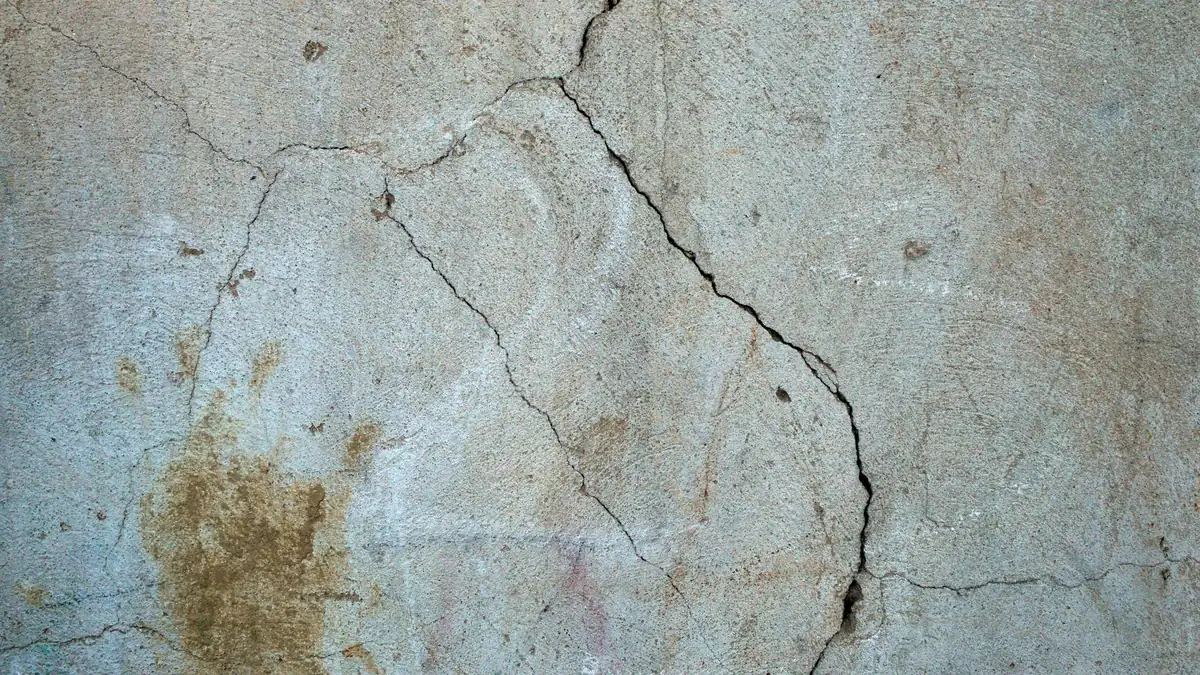
When soil can’t support the structure evenly, parts of the building settle more than others. This uneven settlement shows up as diagonal wall cracks, gaps around doors and windows, and sloping floors.
Foundation Failure and Structural Damage
A foundation designed without data may be too shallow or too weak for the soil. Repairs such as underpinning are complex, disruptive and costly, and in bad cases they can mean partial rebuilding.
Water Seepage and Dampness
A high water table or poorly draining soil can push moisture into the foundation. If waterproofing is planned without knowing this, you may end up with damp walls, mould and peeling paint.
Overspending on the Foundation
Testing doesn’t only prevent under-design. Without data, some builders over-design the foundation “to be safe,” adding steel and concrete you may not need. A soil report helps you spend exactly what is necessary and keeps your budget realistic.
Trouble with Approvals, Loans and Resale
Some approvals and lenders ask for structural documentation, especially for multi-storey homes. A house with known foundation issues can also be harder to sell, or fetch a lower price later.
Soil Problems to Watch for in Bangalore
Filled-Up Land and Old Tank Beds
Some plots sit on filled-up ground. This soil is loose and compresses over time, so it usually needs deeper footings or special foundation treatment.
Clay That Swells and Shrinks
Clayey soil expands when wet and shrinks when dry. This repeated movement can crack even a well-built house if the foundation isn’t designed for it.
Varying Rock Depth
In some areas, hard rock lies close to the surface, while in others it is much deeper. Knowing this helps decide the right foundation type and depth.
What Does a Soil Test Involve?
The process is simple. Engineers drill boreholes at selected points on your plot, collect samples and test them in a lab. You receive a report with the soil layers, the Safe Bearing Capacity (SBC) and foundation recommendations. It takes a few days and costs a small fraction of your total budget, far less than repairing a damaged structure.
When to Do It
Test right after you buy the plot and before the design is finalised. Combine it with a site survey so you know exactly what the land can and can’t support before any drawings are made. Not sure what your plot needs? You can book a free site visit, and our team will look at your land and explain the next steps, with no pressure afterwards.
Frequently Asked Questions
Is soil testing mandatory for house construction in Bangalore?
It isn’t always required for small homes, but it is strongly recommended, and multi-storey plans may need it. Check with your engineer or the local authority.
How much does a soil test cost?
It depends on the plot size and number of boreholes, but it is usually a small part of your overall budget. Ask for a quote first.
How long does soil testing take?
Fieldwork usually takes a day or two, and the lab report follows within a few days.
Can I skip soil testing for a small house?
Even small houses can develop cracks on weak soil. A test is the cheapest protection you can buy.
Conclusion
A house is likely the biggest investment your family will make, and it is only as strong as the ground beneath it. Skipping soil testing may save a little today, but it can lead to cracks, weak foundations, dampness and costly repairs years later.
Bangalore’s soil varies from plot to plot, so guessing isn’t safe. A simple soil test replaces assumptions with facts and protects your budget. Before you break ground, know what you’re building on.