
Bangalore’s construction landscape is unique — rocky terrain in some pockets, clayey soil in others, unpredictable monsoons, and a maze of BBMP and BDA regulations. Add to that rising material costs and shrinking plot sizes, and it’s easy to see why so many first-time homeowners end up making costly mistakes.
Whether you’re building in Jayanagar, Yelahanka, or Sarjapur Road, the fundamentals of a good build don’t change. Here’s what to watch out for before you break ground.
Not Doing Your Homework on the Plot
Your house is only as good as the land it sits on. Rushing this stage almost always creates problems later.
Skipping Soil Testing
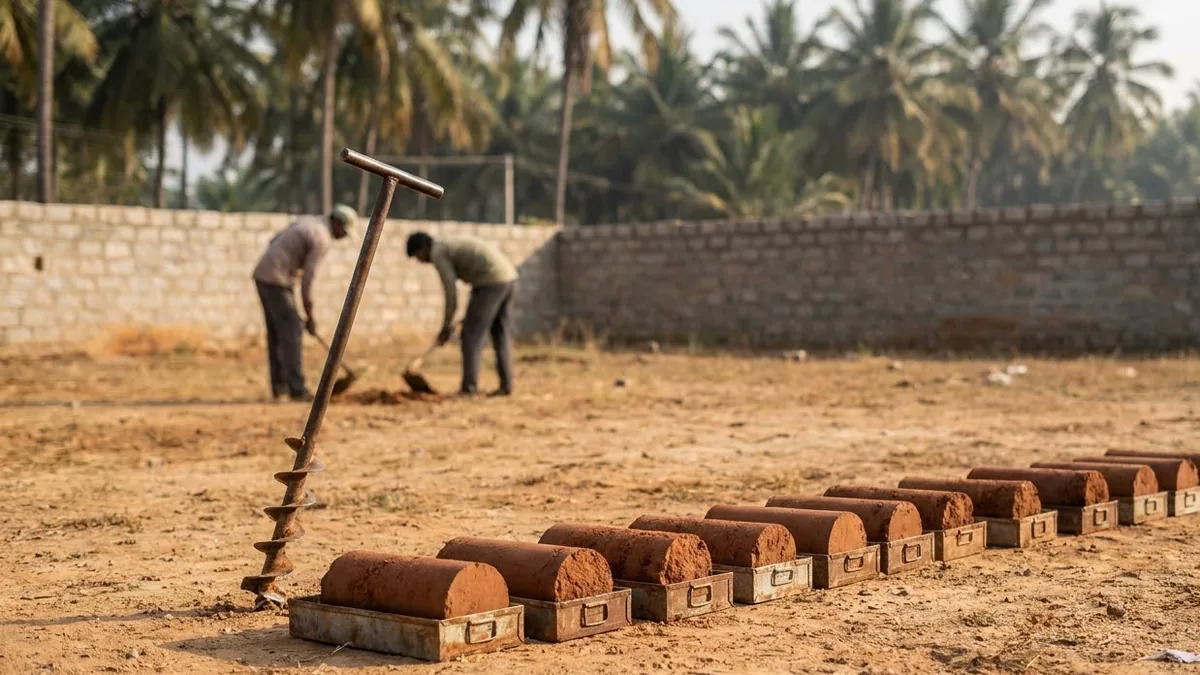
A lot of homeowners assume all plots in Bangalore behave the same way. They don’t. Some areas have loose, filled up soil (especially near lakebeds), while others sit on solid rock. Without a proper soil test, your engineer is essentially guessing at the foundation design a gamble you don’t want to take with your home’s structural integrity.
Ignoring Legal Verification
Khata issues, unapproved layouts, and unclear titles are far too common in and around Bangalore. Buying land without verifying documents like the RTC, encumbrance certificate, and BBMP approval can leave you with a house you can’t legally register or sell later.
What to do instead: Get a soil test done before finalizing the design, and have a lawyer verify all land documents before purchase not after.
Underestimating the Real Cost of Construction
Budgeting is where most homeowners go wrong, not because they’re careless, but because they don’t account for everything involved.
Forgetting Hidden Costs
Plan and construction costs are just one part of the picture. BBMP betterment charges, borewell and water connection costs, electricity sanction fees, interior work, and landscaping can add another 15-20% to your total budget if not planned for in advance.
Chasing the Lowest Quote
Choosing a contractor purely based on the lowest per square foot rate is one of the most common and expensive mistakes. Lower quotes often mean compromises on steel grade, cement quality, or plumbing fixtures that only become visible years later.
This is where working with an established home construction company in Bangalore makes a real difference. A professional company gives you a transparent, itemized cost breakdown upfront, so you know exactly what you’re paying for and aren’t blindsided by “extra” charges mid-project.
What to do instead: Ask for a detailed Bill of Quantities (BOQ) from every contractor you shortlist, and build in a contingency buffer of at least 10-15%.
Overlooking Bangalore’s Climate in the Design
Bangalore’s weather is generally pleasant, but the monsoon season can expose design flaws quickly if drainage and waterproofing aren’t planned properly.
Poor Rainwater Drainage Planning
Homes built without proper slope planning often end up with waterlogging in the compound or seepage near the foundation. This is a design issue, not a construction defect, and it’s entirely avoidable.
Inadequate Waterproofing
Terraces, sit-outs, bathrooms, and basements need dedicated waterproofing treatments — not just a generic cement coat. Skipping this stage to save time or money almost always results in expensive repair work within a few years.
What to do instead: Discuss drainage gradients, rainwater harvesting pits, and waterproofing membranes with your architect at the design stage, not after the structure is up.
Weak Structural and Design Planning
Skipping a Structural Engineer
Some homeowners let the contractor handle structural decisions without an independent review. Given that Bangalore falls under a moderate seismic zone, this isn’t a place to cut corners. A qualified structural engineer should always sign off on your building’s design.
Designing Without Ventilation in Mind
With plots getting narrower and homes going vertical (G+2, G+3 structures are increasingly common), ventilation and natural light often take a back seat. The result is homes that feel stuffy and rely too heavily on artificial cooling and lighting.
What to do instead: Prioritize cross-ventilation, courtyards, or light wells in your floor plan, especially if your plot faces east-west.
Picking the Wrong Construction Partner
This mistake tends to have the biggest downstream impact. A contractor with no verifiable track record, unclear timelines, or poor communication can turn your dream project into a stressful, drawn-out ordeal.
Partnering with a reliable home construction company in Bangalore one that handles design, structural planning, execution, and post-handover support under one roof, removes a lot of the coordination headaches that come with managing multiple vendors separately. Take a look at how we work to see exactly what a transparent, end-to-end construction process looks like from planning to handover.
What to do instead: Visit at least two or three of the builder’s completed or ongoing sites. Speak to previous clients about how well timelines, budgets, and communication were managed.
Not Planning for the Future
Many homeowners design purely around their current needs, without leaving room for a future floor, an elevator shaft, or solar panel installation. Retrofitting these later is far more expensive than planning for them upfront.
What to do instead: Even if you don’t need it now, build in structural provisions for future additions.
Conclusion
Most construction mistakes in Bangalore aren’t about bad luck, they’re about skipped steps: no soil test, no legal check, an unverified contractor, or a budget that didn’t account for the full picture. Taking the time to plan properly, verify documents, and choose an experienced team pays off in fewer surprises, lower long-term costs, and a home that’s actually built to last.
If you’re starting your building journey, invest time upfront in research and due diligence. It’s the difference between a smooth construction experience and years of avoidable regret.